

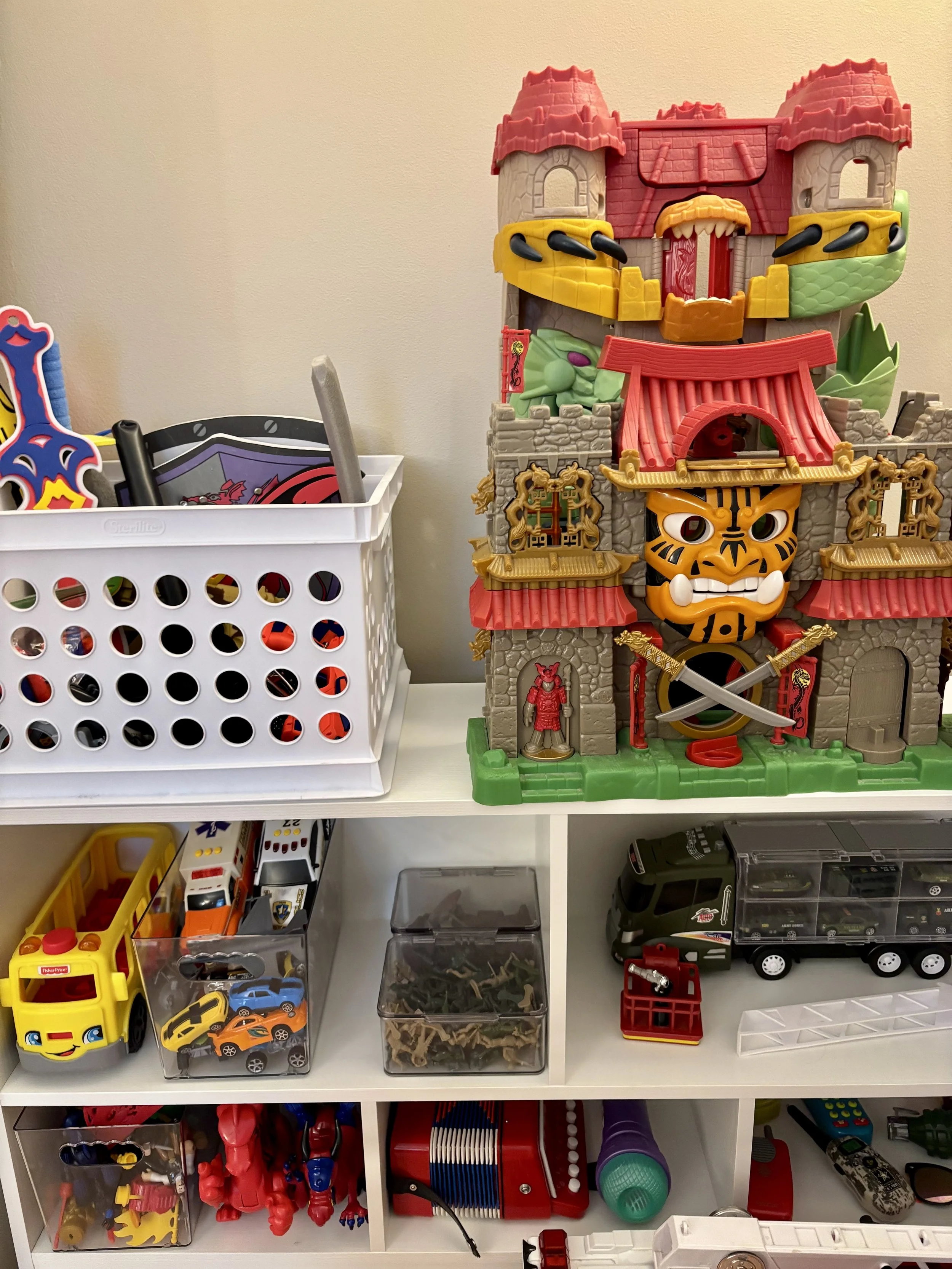
WHAT IS PLAY THERAPY?
The Association for Play Therapy (APT) defines play therapy as: "the systematic use of a theoretical model to establish an interpersonal process wherein trained play therapists use the therapeutic powers of play to help clients prevent or resolve psychosocial difficulties and achieve optimal growth and development."
Furthermore, play and expressive arts therapies allow children to identify, explore, and express their emotions/needs in a way that is most developmentally appropriate for them. Play and expressive arts therapies are typically utilized with children ages 3-12 years, but can be used with any client throughout their counseling experience.
You can learn more about play therapy here
Play therapy for children 4-12yrs old in Raleigh, North Carolina
◦
Play therapy for children 4-12yrs old in Raleigh, North Carolina ◦

-
Grief and Loss
Trauma/Crisis
Anxiety
Depression
School Refusal
Adjustment Issues
Divorce/Separation
Bullying
Physical and Sexual Abuse
Aggression/Anger
ADHD and Autism Spectrum Disorders
Nervous System Activation/Dysregulation
… and more!
Watch the video below to learn more about play therapy.

-
Learning and applying creative solutions to problems
Showing your child ways to recognize what’s coming up for them in their bodies, how to stay connected to their bodies even when they’re feeling dysregulated, and ways to support themselves when they are experiencing big feelings
Improving communication and social skills
Exploring creativity and imagination
Building self-confidence and empathy
Helping children identify and express emotions through experiential play
…and more!
Watch the video below to see how play therapy can benefit children.
Common Questions About
Child-Centered Play Therapy
-
Your child’s therapist will meet with your child one-on-one in a playroom stocked with many types of supplied and toys. Your child will be able to play with all of the toys in most of the ways that they would like to. At times, parts of the play may involve loud noises, thumps, or bangs (please do not worry about those and understand that that is part of the process of working through experiences in the playroom).
-
Yes! The majority of our play sessions are based in foundations from Synergetic Play Therapy®, which is a fancy way of saying "nervous system co-regulation". Although we may not see certain behaviors that you do outside of the play sessions, we can discuss topics such as themes of play, your child's ability to work through big feelings, and helpful ways that we can work together as a team to provide support to your child.
-
The way you talk about therapy to your child can contribute to your child’s attitude toward the therapeutic process. It is important to communicate the process of play therapy in a strengths-based approach (ex: presenting it as a special space where they can have extra support for big feelings they might be having).
Example of a script to start the conversation with your child about therapy:
“So I recently met some named (their therapist name). (Their therapist name) is someone who plays with kids because everyone needs a special place to play sometimes. In play therapy, kids get to go to a special room with lots of toys that they can play with in many of the ways they would like. Many kids will be nervous before their first session, and that’s okay! (their therapist name) is there to care about you and play with you, and you can ask (their therapist name) any questions you might have.”
For preteens and teens, you can say many of the same things, except instead of playing we will be doing activities (such as listening to music, playing games, making slime, or talking). Whether your child is a younger child, preteen, or teen, you can tell them that therapy is a safe place that is just for them.
Sometimes parents might also tell their child if there is a certain activity, stuffed animal, or toy in the playroom that their child might like. Additionally, there are pictures of our office space and therapists on the website in order to support children who might feel more anxious about starting therapy have more of an idea of what to expect and to “make the unknown known” to the best of our ability.
-
1. Contact us directly to schedule a free 10-15 minute phone call (link to complete the contact form is on the contact page).
2. After you speak with your child’s potential therapist and you both feel you would be a good fit for another, your child’s therapist will schedule a 60 minute intake appointment with yourself and any other parents/caregivers involved (without your child present) to discuss presenting concerns, the process of therapy, etc.
3. After the initial session, your child’s therapist will schedule your child's first session and will meet with you throughout the treatment process to discuss your child's progress towards therapeutic goals.
Have more questions? Check out my FAQs page.


